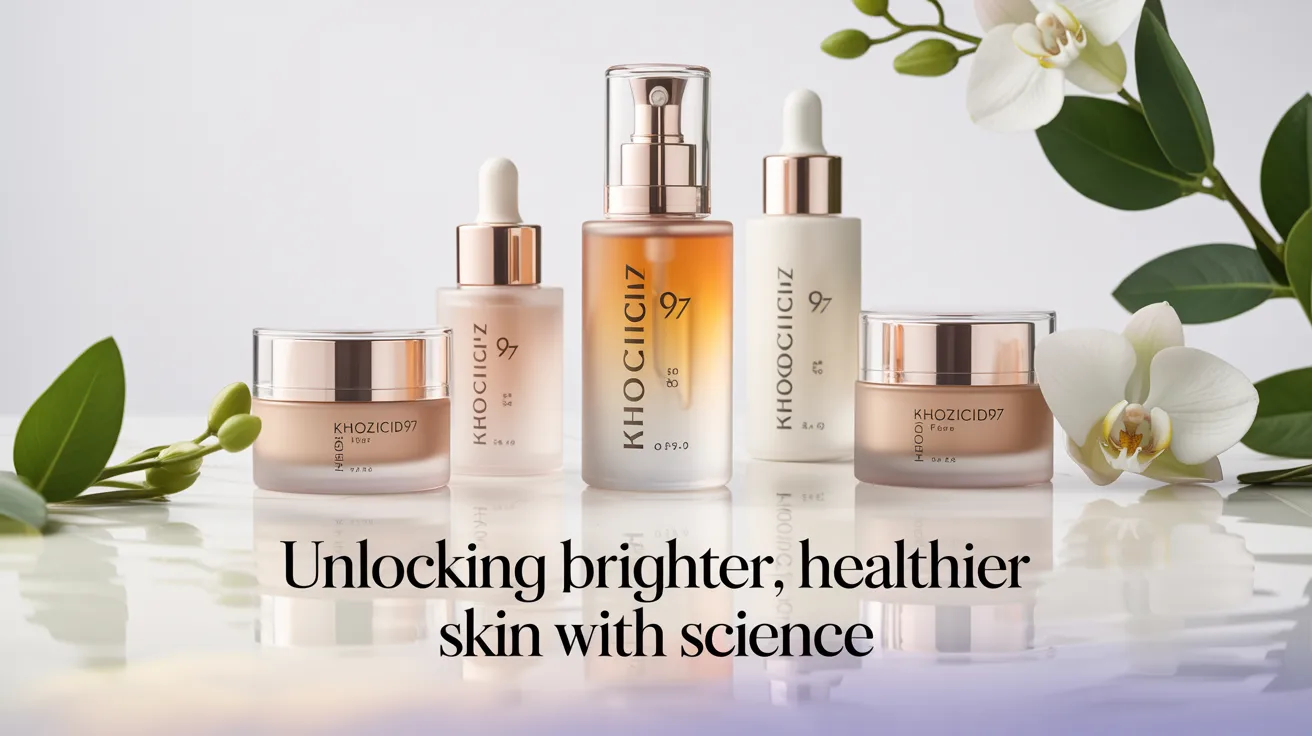
Khozicid97 in cosmetics is emerging as a buzzworthy ingredient, often hailed for its potential to address pigmentation and enhance skin radiance in a gentle manner. This compound, drawing comparisons to established actives like kojic acid, promises a fresh approach to skincare by blending biotechnology with targeted efficacy.
What Exactly Is Khozicid97?
Khozicid97 refers to a lab-engineered compound designed specifically for cosmetic applications. Its molecular structure allows it to interact effectively with skin enzymes, promoting deeper penetration compared to traditional ingredients. Derived from biotechnological processes, khozicid97 in cosmetics aims to mimic natural molecules while offering consistent performance and purity. This makes it suitable for various skin types, including sensitive ones, without relying on animal-derived components.
The development of khozicid97 in cosmetics stems from the need for sustainable alternatives to over-harvested natural extracts. By synthesizing it in controlled environments, manufacturers ensure environmental compatibility and reduce ecosystem strain. Early formulations highlight its role in serums and creams, where it works to inhibit melanin production, the key culprit behind dark spots and uneven tone. While not yet standardized across all brands, khozicid97 in cosmetics typically appears in concentrations that balance potency with safety.
Understanding its chemical profile helps demystify why khozicid97 in cosmetics stands out. It features a unique arrangement that enhances stability, meaning it doesn’t degrade quickly in products. This stability contributes to longer shelf life and reliable results over time. For consumers, this translates to fewer reapplications and more noticeable improvements in skin clarity.
The Science Behind Khozicid97 in Cosmetics
At the heart of khozicid97 in cosmetics lies advanced biotechnology. The ingredient is created through precise synthesis, replicating effective natural compounds like those found in certain fungi or plants. This process ensures high purity levels, free from contaminants that might plague natural sourcing. Once applied, khozicid97 in cosmetics targets tyrosinase, an enzyme involved in melanin synthesis, effectively reducing hyperpigmentation without harsh bleaching effects.
Clinical perspectives on khozicid97 in cosmetics emphasize its multi-functional nature. It not only brightens but also supports the skin’s barrier function, helping retain moisture and fend off environmental stressors. In lab settings, it has shown promise in accelerating cell renewal, which can lead to smoother texture and diminished fine lines. However, the science is still evolving, with ongoing studies exploring its long-term interactions with other actives like vitamin C or niacinamide.
One fascinating aspect is how khozicid97 in cosmetics adapts to individual skin needs. Its structure allows for customization in formulations, such as pairing with peptides for anti-aging or antioxidants for protection. This versatility positions khozicid97 in cosmetics as a cornerstone in personalized beauty, where products are tailored via data-driven insights. As technology like AI refines these combinations, expect khozicid97 in cosmetics to become even more precise in addressing specific concerns like acne scars or sun damage.
Key Benefits of Incorporating Khozicid97 in Cosmetics
The appeal of khozicid97 in cosmetics largely revolves around its claimed benefits, which span from immediate glow to sustained health. Primarily, it excels at fading dark spots and evening out skin tone, making it a go-to for those battling melasma or post-inflammatory hyperpigmentation. Users often report a brighter complexion after consistent use, with reduced visibility of blemishes.
Hydration is another strong suit. Khozicid97 in cosmetics enhances moisture retention, leading to plumper, more resilient skin. This is particularly beneficial in dry climates or for mature skin types prone to dehydration. Beyond surface-level perks, it strengthens the skin’s natural defenses, potentially lowering inflammation and sensitivity over time.
Anti-aging effects round out the benefits. By promoting collagen support indirectly through enzyme regulation, khozicid97 in cosmetics helps maintain elasticity, warding off premature wrinkles. Its gentle profile means fewer side effects compared to stronger acids, appealing to those seeking effective yet non-irritating options.
To illustrate these advantages, consider this comparison table with similar ingredients:
| Benefit | Khozicid97 in Cosmetics | Kojic Acid | Vitamin C |
|---|---|---|---|
| Pigmentation Reduction | High, targeted | High, but can irritate | Moderate, brightens |
| Hydration Boost | Strong, barrier support | Minimal | Variable, antioxidant |
| Anti-Aging Potential | Good, enzyme-focused | Low | High, collagen aid |
| Gentleness on Skin | Excellent for sensitive | Can cause dryness | May oxidize, irritate |
| Sustainability | Biotech, eco-friendly | Naturally derived | Synthetic or natural |
This table shows how khozicid97 in cosmetics offers a balanced profile, making it a versatile choice.
Practical Uses and Applications of Khozicid97 in Cosmetics
Incorporating khozicid97 in cosmetics into your routine starts with selecting the right products. It’s commonly found in serums, where its penetrative qualities shine, applied after cleansing but before moisturizing. For beginners, start with lower concentrations—around 1-2%—to gauge tolerance, gradually increasing to 5% for more pronounced effects.
In daily skincare, khozicid97 in cosmetics pairs well with sunscreens, as brightening agents can heighten sun sensitivity. Morning routines might include a khozicid97-infused toner followed by SPF, while evenings focus on repair with a night cream featuring the ingredient. For makeup lovers, it’s appearing in foundations and primers, providing a subtle glow without altering color payoff.
Specialized uses include targeting specific issues. For acne-prone skin, khozicid97 in cosmetics can reduce post-breakout marks when combined with salicylic acid. In body care, lotions with khozicid97 address uneven tone on elbows or knees. Professional treatments, like facials, are incorporating it for enhanced results, often in masks that allow deeper absorption.
Here’s a simple application guide in table form:
| Product Type | How to Use Khozicid97 in Cosmetics | Frequency | Tips |
|---|---|---|---|
| Serum | Apply 2-3 drops on clean face | Daily, PM | Layer under moisturizer |
| Moisturizer | Use as base for hydration | AM/PM | Combine with hyaluronic acid |
| Mask | Spread evenly, leave 10-15 min | 2-3 times/week | Rinse with cool water |
| Foundation | Blend into skin for even tone | As needed | Choose shade-matching formulas |
| Body Lotion | Massage on targeted areas | Daily | Focus on dry, pigmented spots |
These applications ensure khozicid97 in cosmetics delivers real value without overwhelming your regimen.
Potential Risks and Safety Considerations for Khozicid97 in Cosmetics
While promising, khozicid97 in cosmetics isn’t without caveats. Its novelty means limited long-term data, so potential users should proceed cautiously. Common concerns include mild irritation, such as redness or dryness, especially in higher concentrations or when mixed with exfoliants. Sensitive skin types might experience tingling, signaling the need to dilute or discontinue.
Safety hinges on formulation quality. Without standardization, variations between brands can lead to inconsistent results or hidden allergens. Patch testing—applying a small amount to the inner arm for 24 hours—is essential before full use. Pregnant individuals or those with medical conditions should consult dermatologists, as interactions remain understudied.
Environmental and ethical risks also matter. Though biotech-derived, ensuring cruelty-free and biodegradable status is key for sustainable choices. Overuse could sensitize skin, so moderation is advised. If adverse reactions occur, stop immediately and seek professional advice.
Balancing risks, khozicid97 in cosmetics appears safer than some aggressive alternatives, but transparency from manufacturers is crucial for consumer trust.
Comparing Khozicid97 in Cosmetics to Traditional Ingredients
To contextualize khozicid97 in cosmetics, compare it to staples like hydroquinone or arbutin. Hydroquinone offers potent brightening but risks ochronosis with prolonged use, making khozicid97’s gentler approach preferable for daily routines. Arbutin, a natural derivative, works similarly but slower; khozicid97 in cosmetics potentially accelerates results through better absorption.
In terms of efficacy, khozicid97 in cosmetics edges out with its multi-tasking abilities, addressing hydration alongside pigmentation. Cost-wise, products featuring it are mid-range, accessible yet premium-feeling. For eco-conscious consumers, its synthetic origin reduces reliance on scarce botanicals, a plus over plant-based options.
Ultimately, khozicid97 in cosmetics fills a gap for those seeking innovation without extremes, though personal testing determines fit.
Future Trends and Innovations Involving Khozicid97 in Cosmetics
Looking ahead, khozicid97 in cosmetics is poised for growth amid personalization trends. With advancements in microbiome testing, formulations could tailor khozicid97 concentrations to individual bacteria profiles, maximizing benefits. AI-driven apps might recommend optimal pairings, enhancing user experiences.
Sustainability will drive innovations, with biodegradable versions of khozicid97 in cosmetics minimizing waste. Global markets, especially in Asia where brightening is popular, are adopting it rapidly, blending with local botanicals for hybrid products.
Challenges like regulatory scrutiny will shape its path, pushing for more studies to validate claims. As beauty evolves toward wellness, khozicid97 in cosmetics could integrate into holistic lines, combining with adaptogens for stress-relief skincare.
Conclusion: Is Khozicid97 in Cosmetics Right for You?
Khozicid97 in cosmetics represents a compelling option for brighter, more even skin, blending science with gentleness. Weighing its benefits against risks, it suits those open to new ingredients, provided they prioritize quality and testing. As research progresses, it may become a staple—until then, approach with informed enthusiasm.
